Chromologics Secures $8M to Scale Fermented Red Dye for Global Food Markets

Too long to read? Go for the highlights below.
Chromologics raised $8M to advance regulatory approval and scale production of Natu.Red, a fermented red dye positioned as a stable, sustainable alternative to insect-derived and synthetic pigments.
Its precision-fermentation process produces a tasteless, odourless colourant that avoids seasonal limits, uses fewer resources than crop-based dyes, and has already been tested by over 90 food manufacturers.
As bans on synthetic dyes expand and major brands shift ingredient policies, Chromologics is emerging as a key contender in the growing natural colour market alongside other fermentation-driven competitors.
A growing market reshaped by microbial colour
As synthetic food dyes come under mounting regulatory and consumer scrutiny, one Danish startup is positioning itself at the centre of a shifting landscape. Chromologics, founded in 2017 as a spin-out from the Technical University of Denmark, has secured €7M ($8M) from existing investors Novo Holdings, EIFO and new participants including Döhler Ventures, Collateral Good Ventures and Synergetic. The investment brings its total funding to $21.7M and supports efforts to commercialise a fermented red pigment for the US and EU food markets.

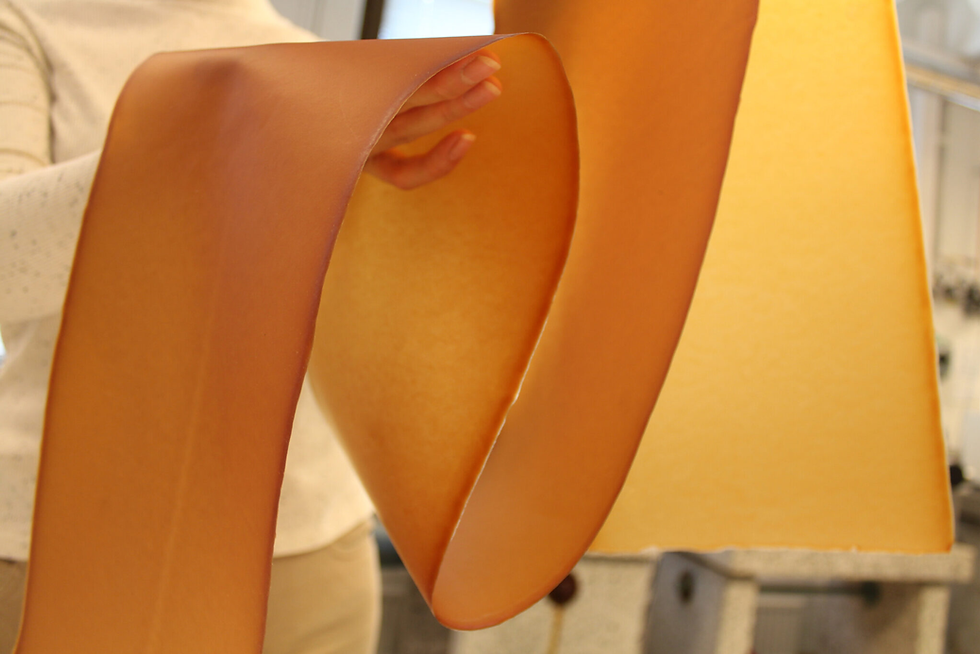
The company’s approach relies on precision fermentation, a process that programmes microbes to produce specific molecules during controlled growth. In this case, the microbe manufactures Natu.Red, a food-grade pigment developed to meet regulatory expectations while offering a stable, low-impact alternative to carmine. Carmine, traditionally derived from crushed insects, continues to create supply, ethical and allergen concerns for manufacturers. Fermentation sidesteps these issues by generating colour through a closed, predictable system.

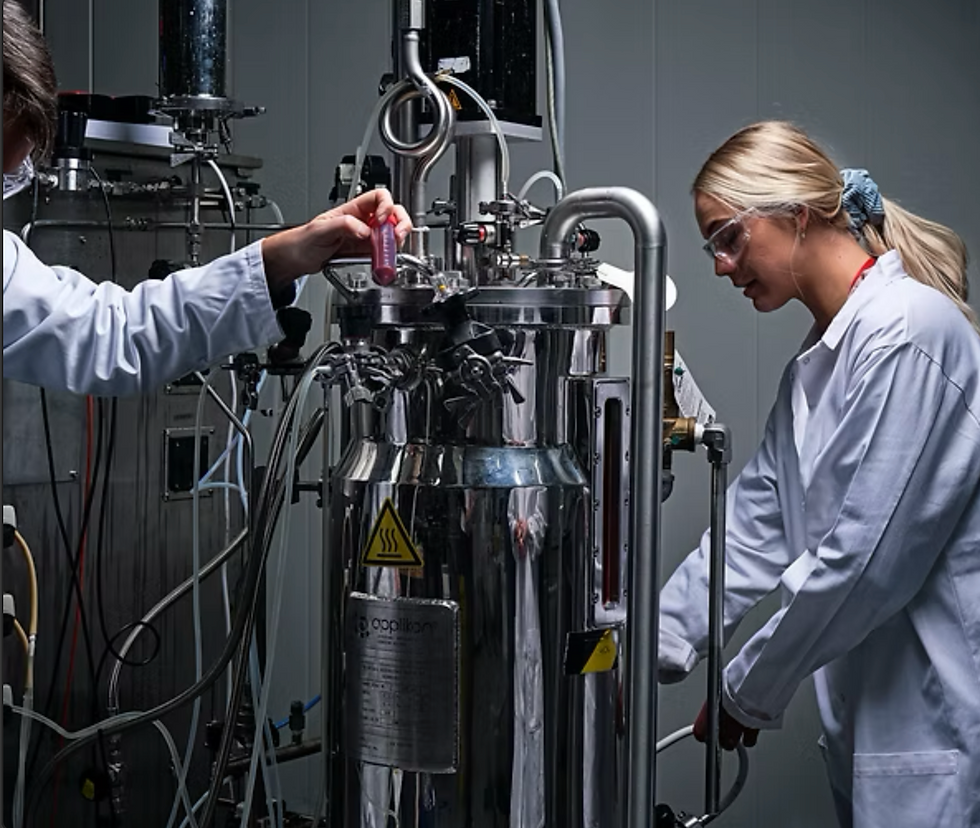
The company describes a process in which microbes are fed sugar and nutrients within water-based fermentation tanks. Water can be recycled, and the runs can be powered using renewable energy, forming a circular production loop with reduced reliance on land, crops or seasonal variations. Chromologics argues that the environmental footprint is therefore markedly lower than that of plant-based or insect-derived red dyes.
Regulatory momentum and pressure for alternatives
Chromologics’ timing is shaped by larger policy movements. The US Food and Drug Administration has already banned Red Dye No. 3, a petroleum-derived pigment linked to carcinogenic outcomes in rat studies. Public attention on synthetic additives has expanded through political campaigns targeting food-system health, prompting major manufacturers such as Nestlé, Mars, Kellogg’s and General Mills to remove or phase out artificial dyes from selected products.

This shift, coupled with consumer demand for natural ingredients, is reshaping industry priorities. The natural colouring segment, now a multibillion-dollar market, is increasingly constrained by supply volatility and high production costs. Fermented pigments offer a route toward cost stability and consistent performance. Chromologics reports having conducted trials with more than 90 companies across beverages, snacks, confectionery and plant-based foods.
Natu.Red’s technological profile is designed to meet these pressures. It is temperature-stable, pH-stable, and described as neutral in taste and smell, making it suitable for baked products, drinks and even meat alternatives, categories in which natural reds often fade or degrade. The dye Sustainly.Red, intended for textiles and cosmetics, extends the firm’s reach beyond food, reflecting the broader demand for sustainable colourants.
Financing expansion and the road to approval
The newly secured financing is earmarked for three core tasks: regulatory approval, production scale-up and eventual market launch. Chromologics is preparing submissions to the European Food Safety Authority and the US Food and Drug Administration, both essential steps for commercial entry.
Production scale-up will occur through a partnership with a contract manufacturer experienced in large fermentation volumes. Achieving competitive unit economics is critical in a market crowded with competitors, including Michroma, Phytolon, Exberry, Vetik and Material Futures Lab. Investors point to the company’s progress on cost efficiency as a justification for continued backing.
Novo Holdings emphasises the firm’s capacity to produce a differentiated pigment and its potential for further optimisation. EIFO highlights the combined pressure of regulatory bans and the inadequacy of current natural solutions as key conditions favouring fermentation-derived colours.
A microbial future for colour production
While fermentation-based dyes are not new, their industrial relevance has accelerated as environmental, ethical and regulatory expectations converge. Chromologics exemplifies a shift in which colour becomes not merely an aesthetic choice but a technical and sustainability challenge.

Whether the company will secure the scale and approvals required remains contingent on regulatory timelines and manufacturing performance. But as over 90 manufacturers have already tested Natu.Red, the groundwork suggests that fermented colours may soon play a significant role in reshaping how foods are coloured across global markets.