


CSIR-Centre for Cellular and Molecular Biology Uncovers the Metabolic Switch Behind Deadly Fungal Infections

Too long to read? Go for the highlights below.
Scientists in India have identified a hidden metabolic circuit linking sugar breakdown to shape-shifting in fungi, a discovery that could open new avenues for antifungal treatment.
Disrupting this circuit prevented Candida albicans from switching to its invasive, filamentous form — even in conditions that normally trigger the transformation.
Because the pathways targeted are fundamental to fungal survival, rather than optional virulence tools, resistance may be far harder to evolve than with conventional antifungals.
A Shape-Shifting Problem
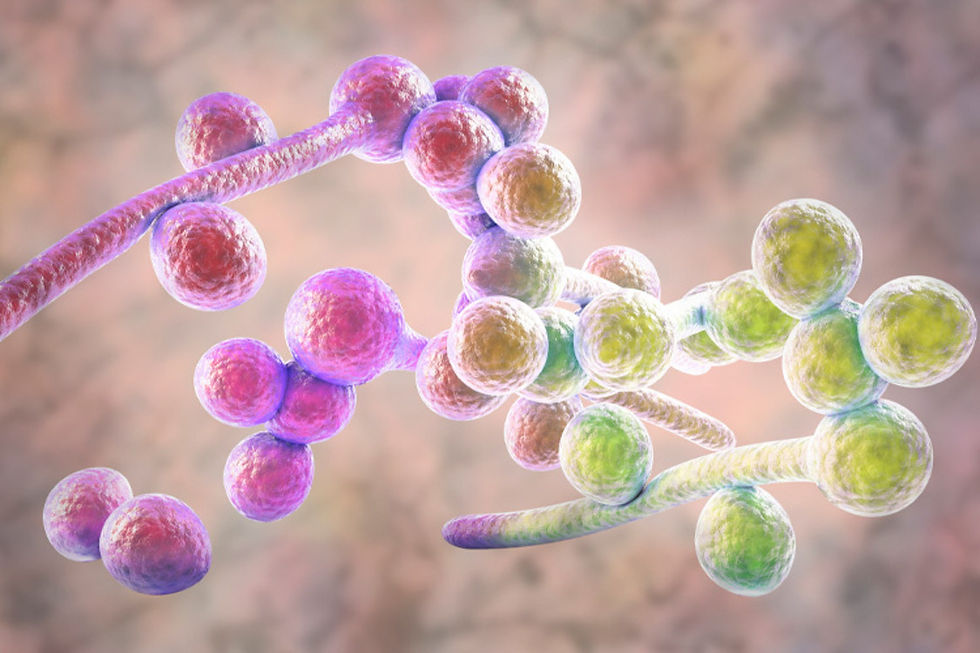
Fungi are consummate opportunists. Candida albicans, one of the most clinically significant fungal pathogens, can switch between a harmless, rounded yeast form and an invasive, filamentous state capable of penetrating human tissue and evading immune cells. Scientists have long understood the genetic programmes underpinning this transformation, but a metabolic explanation — what actually fuels the switch — has remained elusive.

Researchers at India's CSIR-Centre for Cellular and Molecular Biology have now filled that gap. Working with both C. albicans and baker's yeast (Saccharomyces cerevisiae), a team led by Sriram Varahan identified a conserved metabolic axis connecting glycolysis — the core cellular process by which fungi break down glucose — with the synthesis of two sulfur-containing amino acids: cysteine and methionine. In plain terms, when fungi consume sugars rapidly, the same metabolic activity that generates energy also produces the molecular building blocks needed to trigger invasive growth. Published in eLife, the findings offer a mechanistic explanation for why a well-fed fungus may also be a dangerous one.
Sugar as a Virulence Signal
To test their hypothesis, the team disrupted glycolysis in both fungal species using genetic deletions and pharmacological inhibitors. The result was striking: fungi locked out of efficient sugar metabolism could no longer shift into their invasive filamentous form, even when exposed to environmental conditions — such as nitrogen limitation — that would normally prompt the change.
Attempts to rescue filamentation by adding cyclic AMP (cAMP), a signalling molecule previously considered central to shape-shifting, proved ineffective. By contrast, supplementing cysteine or methionine directly restored the ability to filament, pinpointing sulfur metabolism as the critical intermediate. Mouse infection experiments confirmed these findings in a living system. A C. albicans mutant unable to metabolise sugar efficiently showed sharply reduced virulence and struggled to survive inside macrophages — the immune cells ordinarily overwhelmed by invasive fungal infections. When infected mice were given N-acetyl cysteine, a sulfur-containing supplement, the mutant regained pathogenic capacity, underscoring the centrality of sulfur supply.
Microbiologist Amit Singh at the Indian Institute of Science notes that sulfur metabolism may also help fungi withstand oxidative stress caused by antifungal drugs, effectively widening the window for resistance mutations to emerge — a metabolic dynamic that echoes what his group has previously documented in Mycobacterium tuberculosis.
An Overlooked Burden
The timing of this discovery matters. Global deaths from invasive fungal infections have nearly doubled over the past decade, according to figures published in The Lancet Infectious Diseases. India bears a disproportionate share of this burden, accounting for roughly 71% of the world's mucormycosis cases. Data from the Indian Council of Medical Research's Mycology Network for 2022–2023 indicate that just over 16% of suspected clinical samples tested positive for fungi, yet confirmed invasive infections remain severely underdiagnosed outside major hospital centres, partly due to the uneven availability of rapid diagnostic tools.
The growing prevalence of drug-resistant fungal pathogens makes the search for novel therapeutic targets all the more pressing. Because the glycolysis-sulfur axis identified by the CSIR team represents core metabolic machinery — pathways fungi rely on for survival rather than for infection alone — it may prove a more durable target than conventional antifungals, which have faced steadily increasing resistance.
Towards New Therapies
The CSIR team now plans to determine whether this metabolic axis is conserved across other major fungal pathogens, including Aspergillus species, which cause respiratory infections, and Cryptococcus, responsible for life-threatening meningitis. Joseph Heitman at Duke University Medical Center draws a parallel with TOR (target of rapamycin), a pathway first identified in fungi that is now exploited clinically across oncology and transplant medicine — a reminder of how bioactive compounds and pathways first uncovered in fungi have repeatedly reshaped human medicine.
If the glycolysis-sulfur circuit proves similarly conserved, disabling it in combination with existing antifungals could represent a powerful new approach — one that starves invasive fungi of the metabolic fuel they need to cause harm, before they ever get the chance to adapt.


