Researchers Harness Fungi to Generate Electricity from Jaggery Industry Waste

A filamentous fungus isolated from sugarcane waste can simultaneously clean up toxic filter mud and generate usable bioelectricity, offering a practical solution for small-scale jaggery producers with little waste infrastructure.
The fungal microbial fuel cell achieved a 67% reduction in chemical oxygen demand, a key measure of organic pollution, over just 25 days.
The approach could be adapted for larger sugar industry operations across India, where sugarcane processing generates up to 18 million tonnes of filter mud annually.
India produced an estimated 370.5 million tonnes of sugarcane in 2020, and for every 1,000 kilograms processed, between 30 and 50 kilograms of a troublesome by-product called filter mud, or press mud, is left behind (FAOSTAT, 2022; Ochoa George et al., 2010).
A Sticky Problem from the Sugarcane Belt
This soft, dark material, rich in fibres, sugars, proteins and wax, carries a foul odour, attracts pests, can spontaneously combust when dry, and leaches organic pollutants into groundwater during the rainy season. For cottage jaggery producers, who operate with minimal waste treatment infrastructure, it represents a persistent environmental headache with no easy remedy.

Researchers at Graphic Era Deemed to be University in Dehradun, India, have now published a study in the Environment Conservation Journal proposing an unusual solution: put the fungi that naturally grow on filter mud to work inside a microbial fuel cell (MFC), a device that converts the chemical energy locked in organic waste into electricity.
How a Fungal Fuel Cell Works
A microbial fuel cell is a bioelectrochemical device, essentially a chamber in which microorganisms break down organic matter and, in doing so, release electrons. Those electrons travel through an external circuit to generate an electrical current, much as a conventional battery does, except the fuel is waste and the engine is biological.
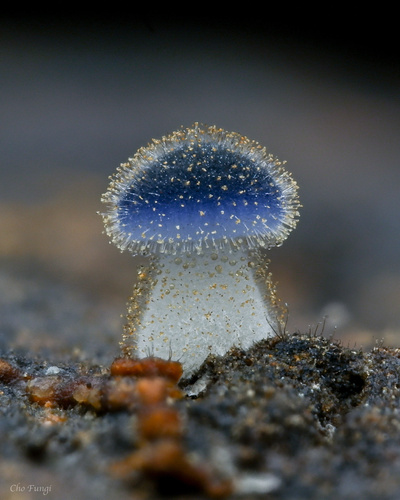
The team isolated a filamentous fungus, Mucor pseudolusitanicus, directly from filter mud collected at a jaggery cottage industry near Roorkee, Uttarakhand. Filamentous fungi, named for the thread-like networks they form, are particularly suited to this role. Their intricate mycelial networks can facilitate electron transfer, and they produce a range of enzymes capable of breaking down complex organic compounds including lignocellulosic biomass, the woody, fibrous fraction of plant material.
The researchers built a single-chambered, membrane-less MFC with a working volume of 150 millilitres, using carbon cloth electrodes. Membrane-less single-chamber designs are cheaper to construct than dual-chamber alternatives and avoid the need for expensive proton exchange membranes. The system was run in batch mode for 25 days, with filter mud diluted in a phosphate buffer solution serving as the substrate.
Results: Modest Power, Meaningful Pollution Reduction
Voltage generation peaked around days seven and eight, reaching approximately 156 millivolts in closed-circuit conditions, before settling into a stable plateau and then declining as the most readily available carbon sources were depleted and the fungus shifted to breaking down more complex compounds. The maximum power density reached 47.3 milliwatts per square metre, and current density peaked at 310.9 milliamps per square metre. These figures are comparable to other published fungal MFC studies, though they fall below the outputs achieved with mixed bacterial consortia, which can reach several hundred milliwatts per square metre.
The more compelling result may be environmental rather than energetic. Over 25 days, the system reduced chemical oxygen demand, a standard measure of organic pollutant load in water, by 67.17%, a meaningful result given the extremely high initial organic content of the filter mud sample, which measured 138,000 milligrams per litre. This places fungal MFCs alongside other fungal approaches to wastewater remediation that are gaining research attention for their low cost and biological versatility.
The study's authors are candid about the limitations. Power output at this scale cannot sustain a jaggery operation on its own. However, life-cycle analyses of MFC technology suggest that their environmental benefits, including reduced greenhouse gas emissions and lower organic loading of effluents, can justify their deployment even when energy yields are modest (Santoro et al., 2017; Savla et al., 2021).
The team recommends further work in continuous-flow and stacked-MFC configurations, and in combination with other microbial cultures, to improve both durability and output. For now, the study demonstrates that the very organism thriving on a waste problem may hold a practical, low-infrastructure means of beginning to solve it.