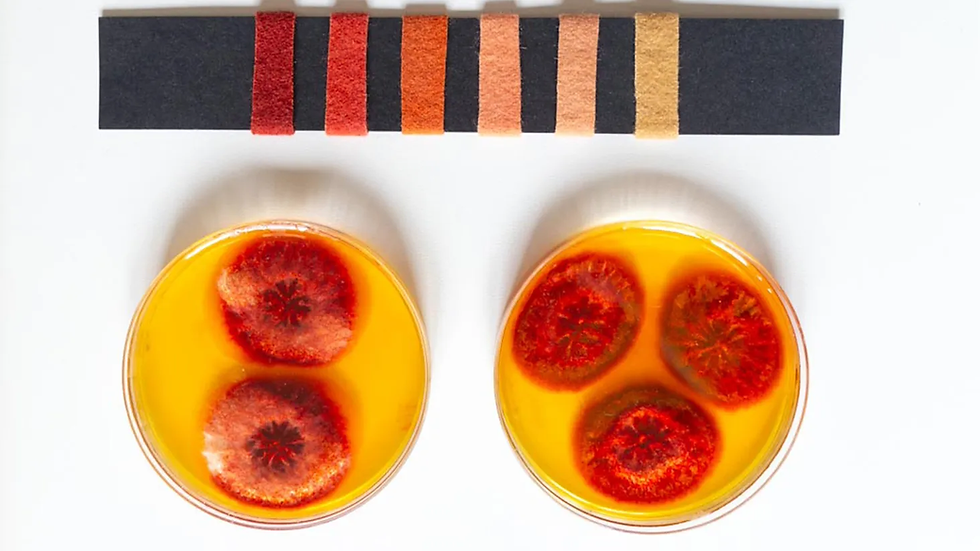
Revo Foods Brings 3D-Printed Mycoprotein Chicken to European Shelves

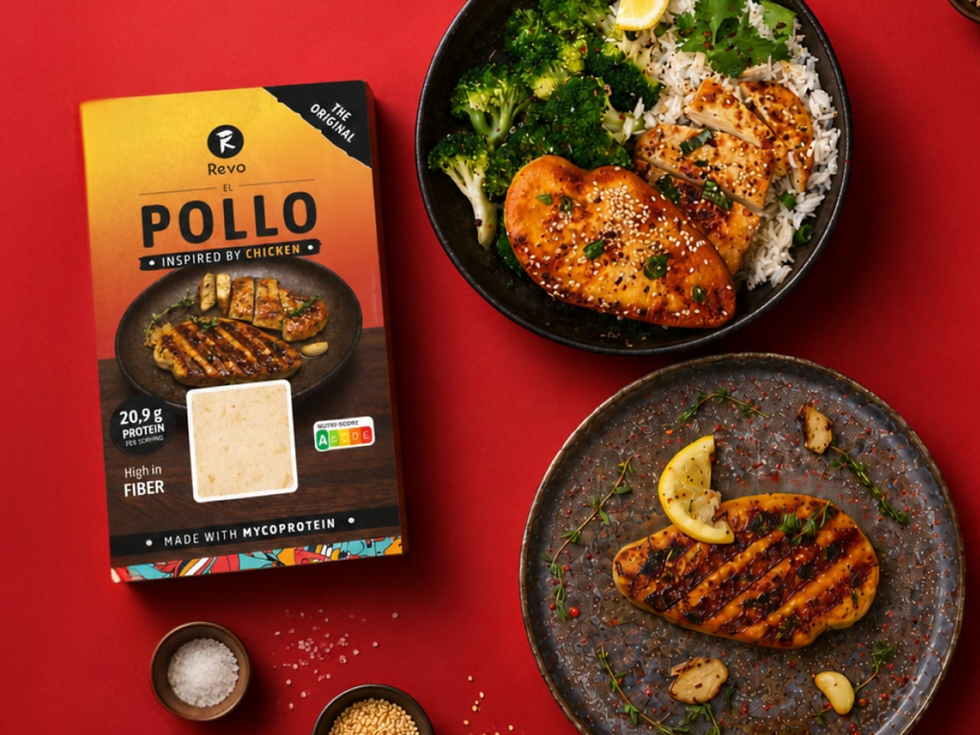
Austrian food-tech company Revo Foods is launching El Pollo, a 3D-printed whole-cut mycoprotein chicken fillet, across Austria, Germany, and Italy in three flavours.
The product uses Revo Foods' proprietary 3D structuring process to align mycoprotein fibres with integrated fat, creating a whole-cut texture with a Nutri-Score A rating and 8g of fibre per 100g.
The launch signals a deliberate repositioning away from "alternative protein" framing, with the company betting that mycoprotein's nutritional profile can stand on its own merits rather than invite comparison with conventional chicken.
A Versatile Fungus Meets a Global Staple
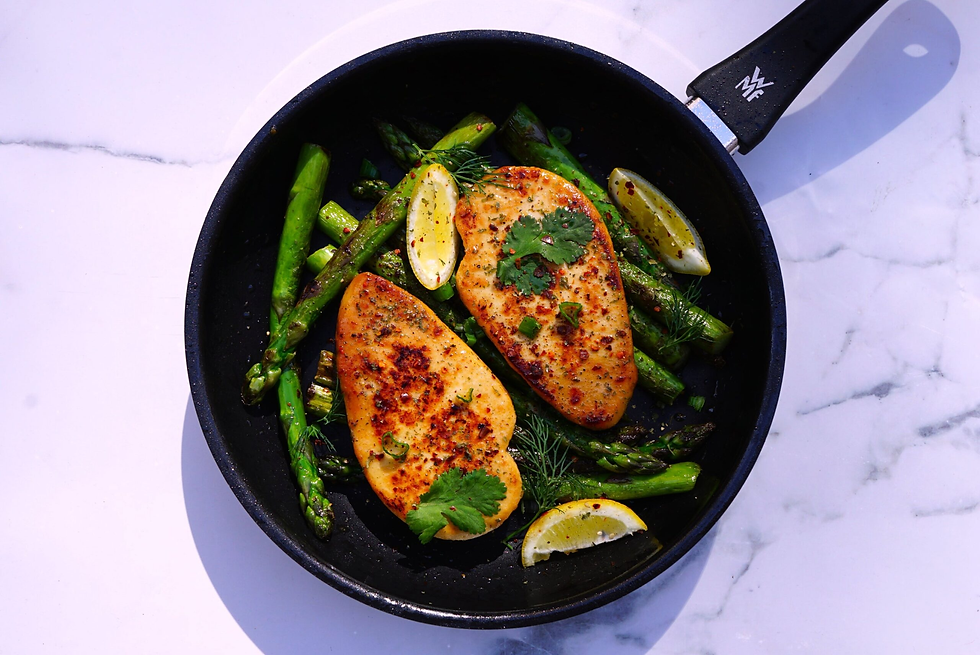
Chicken is the most widely consumed meat in the world, and the plant-based sector has spent years trying, with mixed results, to convincingly replicate it. Vienna-based Revo Foods believes the problem is partly one of framing. Rather than positioning its new product as a substitute, the company is launching El Pollo – Inspired by Chicken, a 3D-printed whole-cut mycoprotein fillet, across Austria, Germany, and Italy next month, in original, BBQ, and Asian Fusion flavours.
The range builds on the company's existing mycelium portfolio, which already spans 3D-printed mycelium salmon, black cod, and octopus, as well as The Prime Cut, a standalone mycoprotein fillet launched in April 2025 that makes no attempt to mimic any specific animal protein.
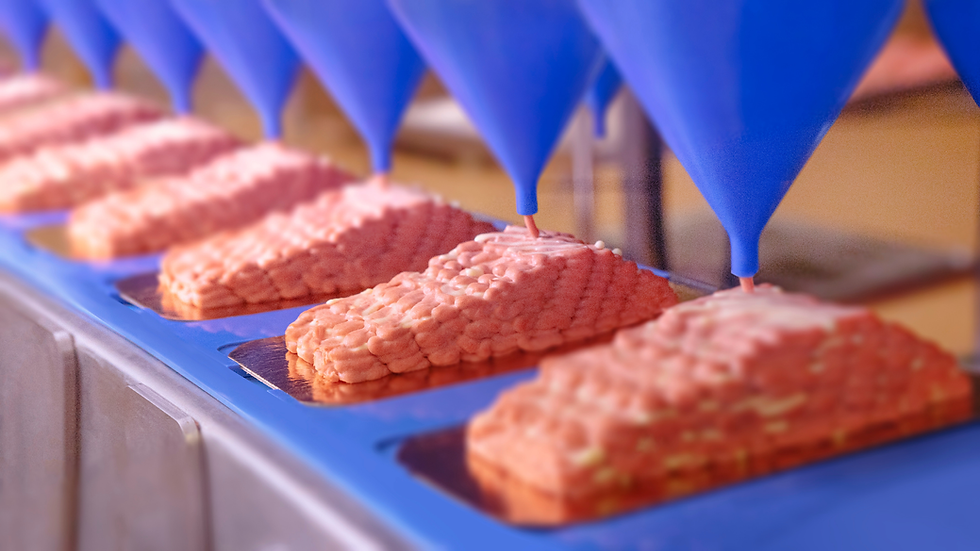
How the 3D Structuring Process Works
Revo Foods, founded in 2020, combines fermentation with computer-guided 3D printing to produce whole-cut protein formats. The process integrates fat directly into the protein matrix, which allows unstructured mycoprotein to be shaped into products with aligned, heterogeneous fibres, the kind of texture that gives whole-cut meat its characteristic bite.
Mycoprotein, derived from fungal biomass, is the company's feedstock of choice. It can double in biomass every five hours, making it one of the more resource-efficient protein sources available. Nutritionally, it contains all essential amino acids, scores well on protein digestibility measures, and is high in fibre while low in carbohydrates and saturated fat.
For El Pollo, the mycoprotein is combined with fava bean protein, rapeseed oil, bamboo fibre, methylcellulose, natural flavours, and salt. The resulting product contains 13g of protein per 100g, roughly half the protein content of conventional chicken breast, but 8g of fibre, which is nutritionally significant. As the company notes, most Europeans consume more protein than they need while falling well short of the 25–35g of daily fibre recommended by nutrition experts. The product carries a Nutri-Score A rating, the highest tier in the European front-of-pack labelling system.
Production Scale and Financial Context
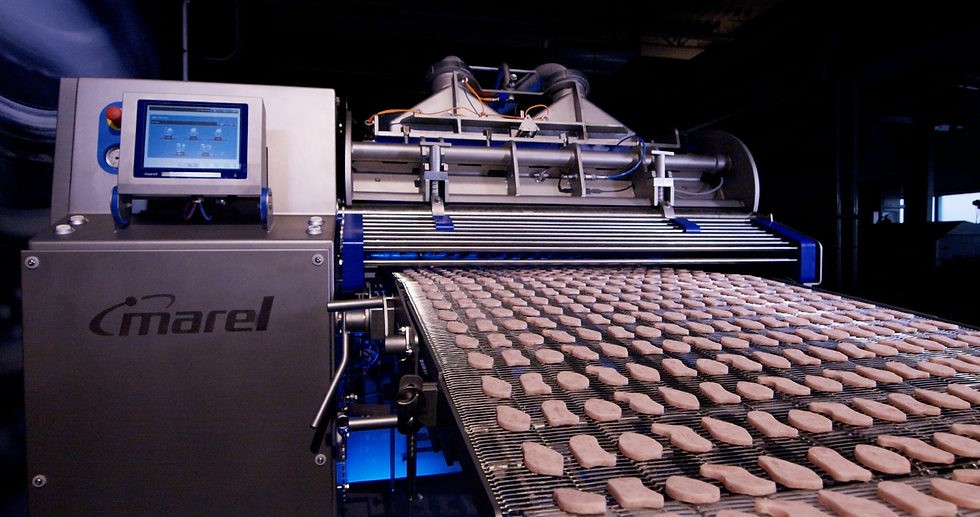
The El Pollo launch comes as Revo Foods continues to scale its manufacturing operations. The company opened The Taste Factory, a large-scale 3D-printing production facility in Vienna, in 2024. Last year it installed a new extrusion system that boosted output by 50% and reduced production waste. It has since moved to a larger site in the city, bringing its monthly capacity to 20 tones of mycoprotein, or approximately 60,000 units, a tenfold increase from its capacity at the start of 2025.
Commercially, the company closed 2025 with annual revenue exceeding €1 million, secured €1.6 million in an oversubscribed crowdfunding round, and is currently mid-way through another fundraise on FunderNation. With products in over 1,000 retail outlets across Europe, it is targeting profitability by 2027.
Repositioning the Category
The launch also reflects a broader strategic shift in how Revo Foods talks about its products. Founder and commercial director Robin Simsa has publicly moved away from the industry's longstanding playbook of positioning fungal proteins as direct meat replacements. His argument, expressed in a LinkedIn post accompanying the launch, is that labelling a product an "alternative" forces it to be judged against the original rather than on its own terms.
The approach echoes a growing unease within the mycelium-based meat sector about whether imitation is still the right strategy, particularly as early consumer enthusiasm for plant-based meat analogues has softened across several European markets.
Whether leading with nutritional credentials rather than meat mimicry will prove more persuasive to mainstream shoppers remains to be tested. El Pollo's protein content, at roughly half that of the animal product it is inspired by, is a point some consumers and nutritionists may weigh carefully. And at 13g per 100g, the comparison with conventional chicken will surface regardless of what the product is called.
The real measure will come when the range hits shelves in Austria, Germany, and Italy next month, and shoppers decide whether they are buying a chicken alternative, a fibre-rich protein, or something new entirely.