


Mycofeast Acquires New Zealand's Daisy Lab to Scale Precision-Fermented Lactoferrin

UK fermentation firm Mycofeast has acquired Daisy Lab, a New Zealand startup that makes cow-free whey proteins, of which bovine lactoferrin is the most advanced.
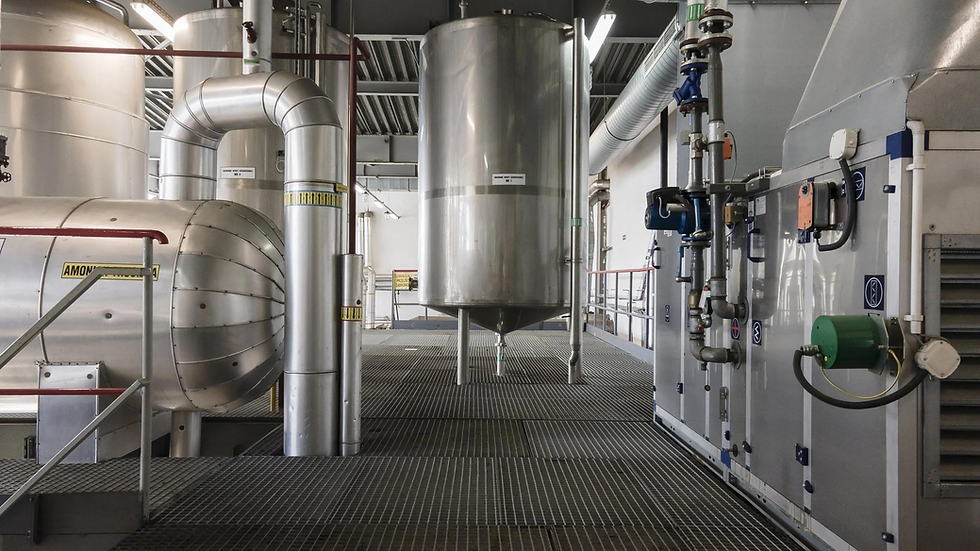
Daisy Lab uses precision fermentation, which inserts specific DNA into microbes so they produce a target protein, and has installed a 500-litre fermenter for scale-up.
The deal comes amid heavy consolidation in alternative proteins, where more than 90 companies have merged, been acquired, gone bankrupt or closed since September 2024, according to the report.
From Partner to Parent
According to CEO Irina Miller, Daisy Lab had been working with Mycofeast as a potential partner and customer, and the two teams got to know each other well. Difficulties raising capital, together with general market conditions for food tech and biotech companies, led the conversations towards acquisition. Rather than spend years building its own manufacturing and commercial infrastructure, Daisy Lab can now draw on the group's capabilities.

The move follows a broader pattern in animal-free dairy, where startups such as Nutropy and Those Vegan Cowboys have pursued animal-free casein, a different milk protein, with venture funding.
Why Lactoferrin
Lactoferrin is a glycoprotein, a protein with sugar chains attached, found in bovine colostrum and human milk. Its antimicrobial properties have also attracted interest from the food, nutrition, and health sectors. Despite this interest, obtaining Purified lactoferrin is challenging, so supply is limited and prices run from $600 to $2,000 per kilogram.

Miller argued that the economics suit precision fermentation: the protein is scarce, high-value and used at relatively low inclusion rates. She added that she still believes beta-lactoglobulin and possibly other bulk proteins have future potential. Daisy Lab installed a 500-litre fermenter on site in the first quarter of this year and has been scaling up fermentation and downstream processing (the purification steps that follow) to that volume.
The company has also produced recombinant human lactoferrin at laboratory scale. The report says human milk contains it at much higher concentrations and that it is gentler and better absorbed than the dairy-derived version. That programme is earlier-stage and was paused late last year while the large fermenter was installed. Miller said Evolutia Bio, Mycofeast's California research subsidiary, could develop it further if it shows commercial potential.
What Mycofeast Brings
Mycofeast, established in 2023, has grown through acquisitions and organic development. Its capabilities span strain development, biosynthesis, enzyme design, fermentation scale-up and industrial production, with products including carotenoids and other bio-based compounds. Evolutia Bio combines AI-led discovery, high-throughput screening and genetic engineering. The group also operates a 16-million-litre fermentation plant in Europe.
Chief executive Witek Hruzewicz said the harder problem in biotechnology is connecting science with process development, manufacturing, capital and commercial markets quickly enough, and with workable economics. He described Daisy Lab as highly complementary to that system.
Over the next 12 months, the report says, Daisy Lab will focus on further scale-up and optimisation, regulatory filings, customer trials and transferring its process into Mycofeast's plant. Miller said being part of the group allows regulatory filings to proceed, and hinted at a couple of geographical priorities that remain undisclosed.
A Crowded Field and Open Questions
Daisy Lab will not be alone. Helaina's human lactoferrin is in around a dozen US products, and Nestlé is working with it on baby formula. All G has launched bovine lactoferrin in the US and is developing a human version. TurtleTree's bovine lactoferrin appears in products including Intentional's IronKind and Waywyld's supplement powder, and the company now manufactures and commercialises it with Novonesis. Vivici has self-affirmed Generally Recognized as Safe (GRAS) status for its bovine lactoferrin in the US, meaning the company itself, not a regulator, has judged it safe. Other startups, such as Imagindairy, are likewise making dairy proteins without cows.
Much remains unproven for Daisy Lab. Its bovine lactoferrin is not yet on the market, its largest fermenter is 500 litres, and its regulatory filings are still ahead. The report gives no production cost for its protein or the value of the deal, and the human programme is on hold. Whether the group's industrial capacity closes the gap to commercial volumes will become clearer once the process moves into Mycofeast's plant.


